The Hounds of Cheverny
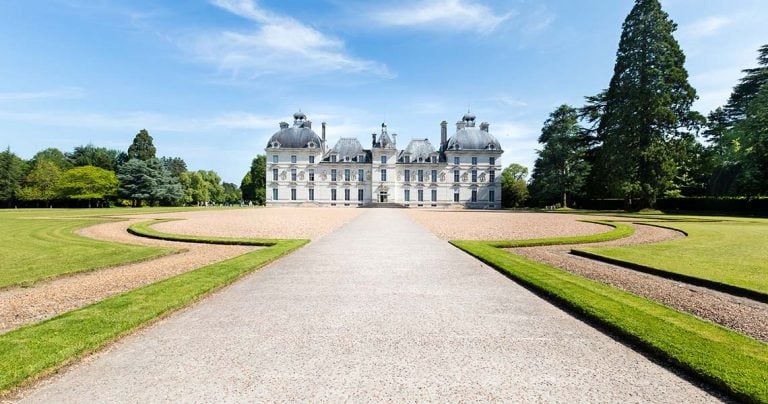
Ruth and I last visited Cheverny several years ago. While there is much to see and do at Cheverny, I believe the dogs are its greatest attraction.
After you have seen many, many chateaux, they all morph into one. There is a similarity between them, and even the tourists start looking the same.
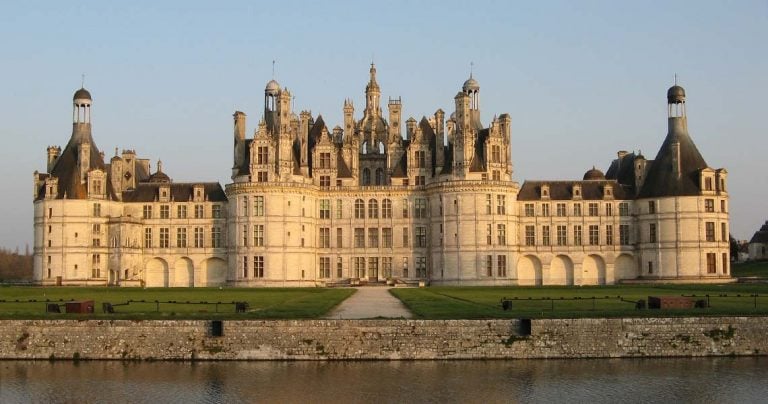
At Cheverny, it is different. Chambord may have its horses, but Cheverny has its dogs. The dogs were the primary reason for our return visit.
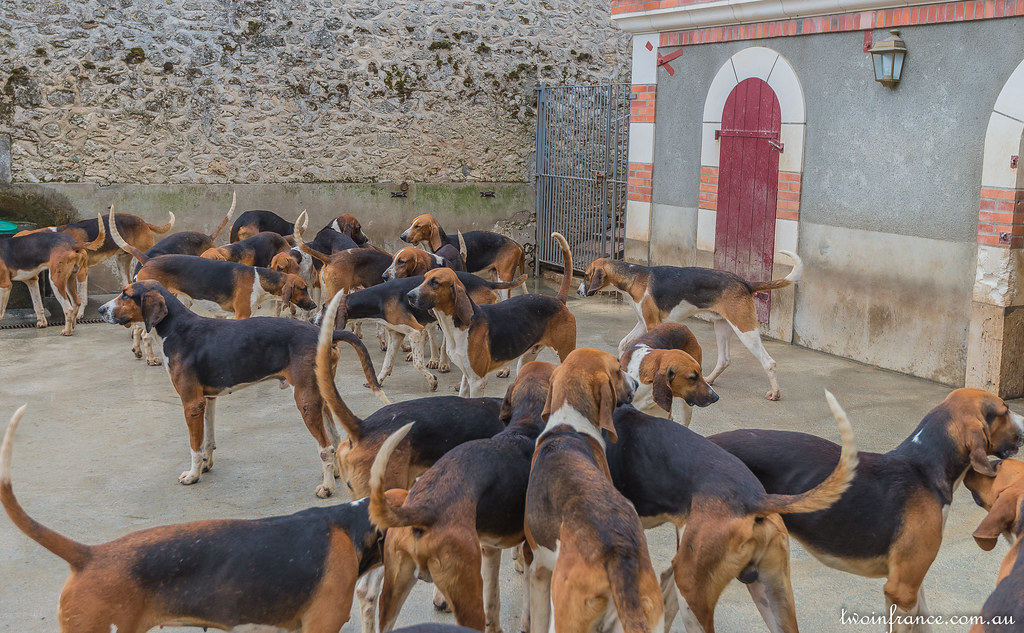
On our last visit, the kennels were being refurbished, and the dogs were housed elsewhere. So, we were determined to see them this time, particularly La Soupe Des Chiens (feeding time) at 11:30 am (April-September). Check with the Château to confirm feeding time.
We arrived early at the kennels, and after making a few new friends (dogs, i.e.), I reluctantly agreed to take another look at the Chateau. But I ensured we were back at the kennels in time for the feeding.
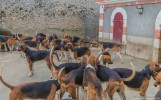
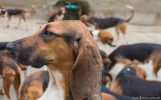
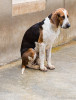
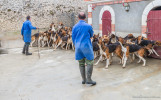
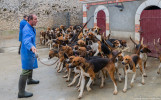
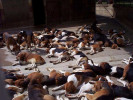
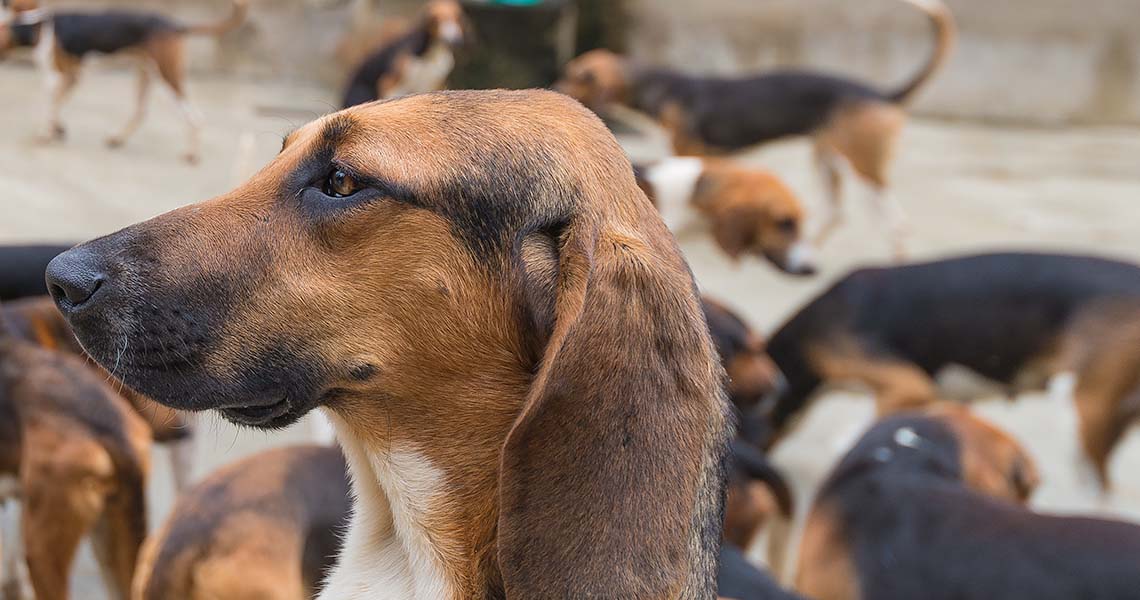
Around a hundred hunting dogs live in Cheverny. Half English foxhound and half French Poitevin— the dogs are taken hunting twice a week in winter, the hunting season. Judging by the horns in the trophy room, they are very good at their job.
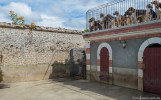
The kennels are spartan with much concrete, ideal for washing away the tons of crap the dogs produce. The trainer reminded us that the dogs are treated as dogs, not pets, but they don’t look too unhappy. A memorable quote by the trainer gives a hint as to Cheverny’s approach to their dogs:
There are no bad dogs, just bad owners. It’s the owners that should be put down, not the dog.
Cheverny Trainer
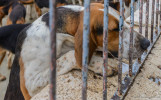
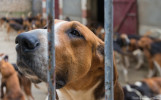
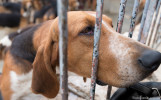
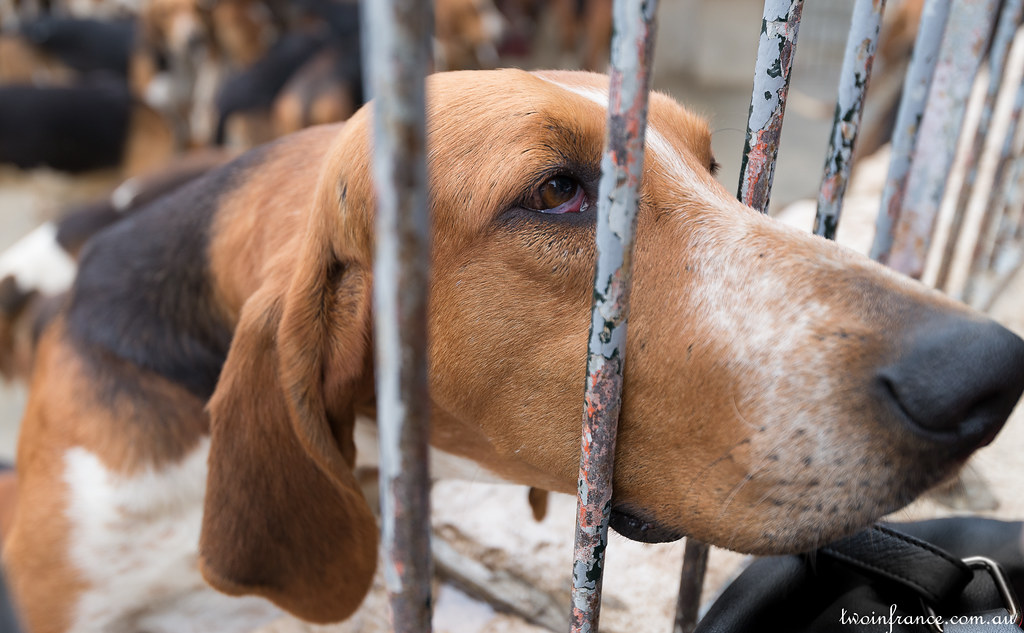
La Soupe Des Chiens is a crowd-puller, so get there about 20 to 30 minutes beforehand to get a good position, preferably where the bars are wide enough to put a camera through. Don’t worry; the dogs are too busy concentrating on the food to worry about your camera.
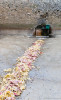
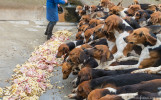
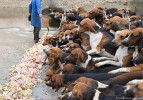
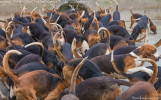
The hungry hounds are gathered on the kennel rooftop and begin howling as the trainer brings in a barrow of chicken, pasta and kibble.
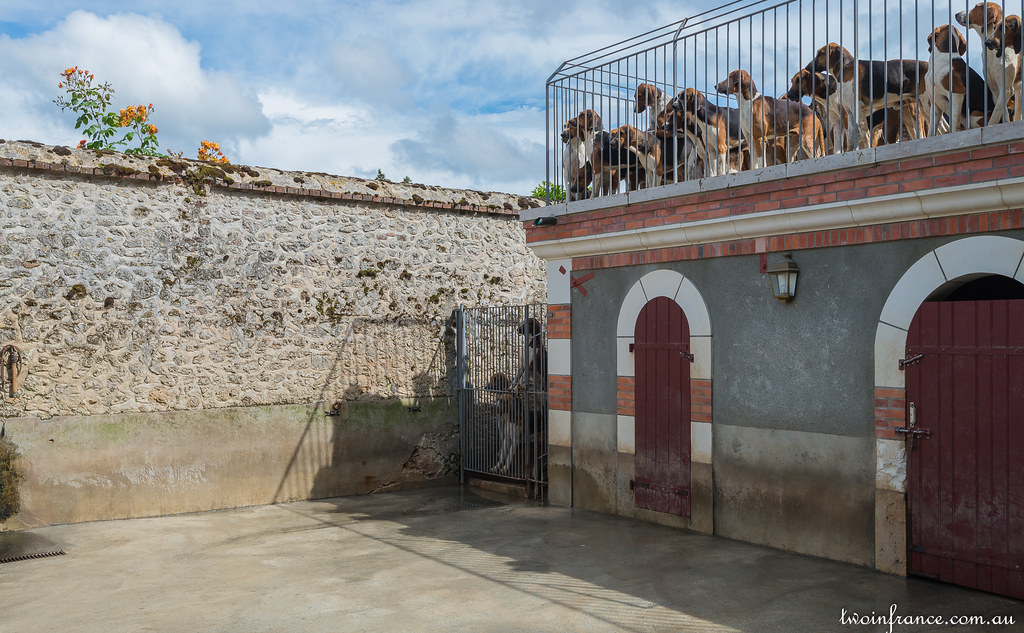
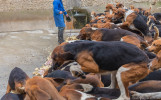
As he opens the gate, the dogs become more agitated but will not attack the food until the trainer gives the order. Only then do they go berserk and dive in.

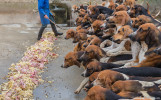
It is a real scramble, although the food seems enough to go around. I certainly did not see any emaciated animals; wagging tails suggested satisfaction. The less aggressive dogs gathered outside the scrum, waiting for the first onslaught to abate before diving to get their share.

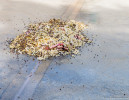
The whole exercise was over in a few minutes. Not a piece of kibble left. Like a vacuum cleaner, they swept the site clean. With full bellies, these well-trained dogs sauntered inside the kennel for a good nap.

Information
1, Avenue du Château, Cheverny 41700
+33 (0)2 54 79 96 29
[email protected]
10:00 am to 5:00 pm (Jan-Mar : Oct-Dec); 9:15 am to 6:30 pm (Apr-Sep).
Motorway A10, Paris – Bordeaux, Exit Blois, 170 km. By train to Blois.
www.chateau-cheverny.fr/en
Gallery